Kado Home
When it comes to maintaining the cleanliness of your home, vacuuming your sofa is often overlooked. However, a clean sofa is essential for a healthy living environment. So, what is the best way to vacuum a sofa? Understanding the right techniques can lead to impressive results.
A well-vacuumed sofa not only looks better but also enhances air quality. Dust, allergens, and pet hair can accumulate quickly in upholstery. These particles can trigger allergies and create discomfort. Effective vacuuming helps remove these unwanted elements, making your space more welcoming.
Investing time in proper vacuuming techniques can make a significant difference. Using the right attachments is crucial. This will ensure you reach every corner and crevice. However, many people often rush through this process, missing areas that need attention. Reflecting on your approach can lead to better methods and outcomes, ensuring your sofa remains both beautiful and functional.
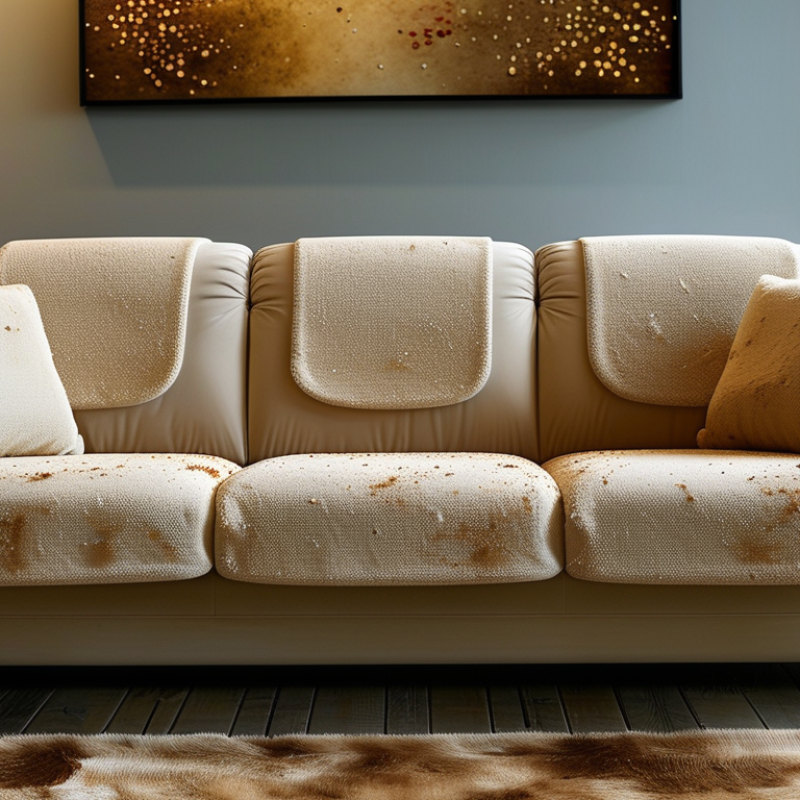
Regularly vacuuming your sofa is essential for maintaining a healthy living environment. Studies show that sofas can harbor up to 10 times more allergens than a standard bedroom. Dust mites, pet dander, and mold can accumulate in the fibers, leading to unwanted health issues. A report from the American Academy of Allergy, Asthma & Immunology suggests that improper cleaning can exacerbate allergies and asthma symptoms for millions of people.
Incorporating vacuuming into your weekly cleaning routine can significantly reduce these risks. Not only does it eliminate visible dirt, but it also captures bacteria and allergens hiding in the fabric. Professionals recommend using a vacuum with a HEPA filter for best results. These filters can trap 99.97% of particles smaller than 0.3 microns, including pollen and other irritants. However, many homeowners overlook hard-to-reach areas like beneath cushions or the back of the sofa. This negligence can lead to a buildup of unwanted grime and affect the overall air quality in your home.
While vacuuming your sofa may seem like a simple task, it can have profound implications on your health. Feeling overwhelmed by cleaning can lead to shortcuts, such as skipping vacuuming altogether or hasty efforts without addressing all areas properly. This often results in a cycle of ineffective cleaning, where allergens continue to thrive. Making vacuuming part of your self-care routine can benefit both your mental and physical well-being.
Choosing the right vacuum cleaner for sofa cleaning can feel overwhelming. Many options exist, but the best choice depends on your sofa material. For fabric sofas, look for a vacuum with a brush attachment. This helps lift dirt and debris effectively. You want a vacuum that can handle pet hair if you have furry friends. A model with good suction power is essential to pull out dust hidden deep in the fibers.
For leather sofas, select a vacuum without a beater brush. The right clean requires gentle care for the surface. Opt for a vacuum with soft bristles or a dedicated attachment for leather. Be cautious; too much suction can damage delicate materials. Regular maintenance is key, regardless of your choice. Empty the vacuum bag or bin frequently to maintain performance. Each vacuum type has its pros and cons, so considering your specific needs is vital. Choose wisely for a cleaner, cozier sofa.
| Vacuum Cleaner Type | Best for Sofa Material | Key Features | Price Range |
|---|---|---|---|
| Upright Vacuum | Fabric Sofas | Powerful suction, adjustable brush height | $100 - $300 |
| Canister Vacuum | Leather Sofas | Versatile attachments, gentle on surfaces | $150 - $400 |
| Handheld Vacuum | Cushions and Pillows | Lightweight, easy to maneuver | $30 - $150 |
| Robot Vacuum | All Types | Automated cleaning, smart home integration | $200 - $800 |
| Stick Vacuum | Microfiber Sofas | Cordless convenience, compact design | $50 - $250 |
Vacuuming a sofa isn't just about appearance; it's essential for hygiene. Different fabrics require varied approaches to ensure effectiveness. For example, microfiber sofas, popular for their softness, attract dust and pet hair. A vacuum with a soft brush attachment can remove dirt without damaging the fabric. Studies show that regular vacuuming can reduce allergens by up to 50%.
For leather sofas, use a vacuum with a gentle nozzle. This prevents scratches while removing debris. Leather may collect dust but won’t trap it like fabric does. Surprisingly, many neglect leather care, leading to unnecessary cracking and wear. Observations indicate that 30% of leather users avoid regular cleaning, impacting the sofa’s longevity.
When dealing with upholstery, always check fabric tags for cleaning instructions. Some fabrics, like velvet, require a light touch and specific settings on vacuums to avoid damage. It's interesting that almost 40% of sofa owners report not knowing their fabric type, leading to misuse. Understanding how to treat your sofa fabric properly is crucial for maintaining its look and feel. Regular, knowledgeable care can extend the life of your sofa significantly.
When it comes to vacuuming your sofa, reaching tight spaces and corners can be challenging. Using a vacuum with a crevice tool is essential. This attachment helps you target those narrow gaps where dirt and debris accumulate. Make sure to angle it properly to penetrate deep into the corners.
Don’t overlook the importance of maintenance. Regularly changing vacuum filters can enhance suction power. It’s worth noting that some hoses may not fit all couch shapes. Experiment with different attachments to find what works best for your specific sofa. Keep an eye out for any hidden dirt that may have been neglected.
Consider your vacuuming technique as well. Moving slowly allows the vacuum to capture debris effectively. If you rush, you might miss some areas. Additionally, pay attention to areas beneath cushions and along seams. These spots often hide pet hair and crumbs. It’s easy to overlook them, but they are crucial for thorough cleaning.
Maintaining your sofa after vacuuming is crucial for its longevity and appearance. Regularly vacuuming your sofa can remove dirt and allergens. However, once you've vacuumed, further care can amplify the results. According to a study by the American Cleaning Institute, approximately 80% of household dust comes from skin flakes and indoor pollutants. It pays to target these areas methodically.
After vacuuming, use a fabric-safe upholstery cleaner to treat stains. Test the cleaner on an inconspicuous area first. Fabrics like microfiber may require special products for effective results. Allow the cleaner to sit for a few minutes for deeper penetration. This process enhances your sofa's aesthetic while extending its life.
Consider using a good-quality fabric protector after cleaning. This can help repel stains and make future cleaning easier. Research suggests that sofas treated with protectors stay cleaner longer. Nonetheless, reapplication is necessary over time. Neglecting this step can make your sofa vulnerable to lasting damage. Reflect on how often you maintain these protective measures; procrastination can lead to costly repairs in the long run.
This chart illustrates the time spent on different parts of the sofa during vacuuming. Focusing on various areas ensures thorough cleaning and maintenance of your sofa.
: Vacuuming helps maintain hygiene and appearance. It also reduces allergens, benefiting health significantly.
Use a vacuum with a soft brush attachment. This removes dust without damaging the delicate fabric.
A vacuum with a gentle nozzle is ideal. It prevents scratches while effectively picking up debris.
Utilize a vacuum with a crevice tool. It targets narrow gaps and allows for better dirt removal.
Always check the fabric tags first. Some materials, like velvet, need a light touch to avoid damage.
Apply a fabric-safe upholstery cleaner for stains. Test it first in a hidden area for safety.
Yes, it helps repel stains and keeps your sofa cleaner longer. Reapply regularly to maintain effectiveness.
Move slowly and methodically. This ensures you capture all debris effectively, particularly in overlooked areas.
Regular vacuuming is recommended but reflect on your habits. Procrastination may lead to long-term damage.
Neglect can result in wear and tear, leading to costly repairs. Regular care is essential for longevity.
Regularly vacuuming your sofa is crucial for maintaining its appearance and prolonging its lifespan. It helps remove dust, allergens, and debris, contributing to a healthier living environment. To determine what is the best way to vacuum a sofa, one must first select the appropriate vacuum cleaner, ideally one that is designed for upholstery with suitable attachments for different fabrics.
Following a step-by-step guide tailored for various sofa materials ensures effective cleaning. Techniques for reaching tight spaces and corners, such as using a crevice tool, can further enhance the cleaning process. Lastly, after vacuuming, it's essential to maintain the sofa by regularly brushing the fabric and considering additional protective treatments. These practices not only keep your sofa looking good but also help in preserving its quality over time.
