Kado Home
When moving large furniture, such as a sofa, to a new home, narrow doorways can present a significant challenge. Understanding how to measure a sofa to fit through a narrow door is essential to avoid frustration and potential damage. Accurate measurements give you the power to make informed decisions about your furniture.
Start by measuring the door frame. Check its width and height. Next, take note of your sofa's dimensions. The depth and height are crucial factors. Don't forget to consider any arms or protruding features. You might find that your measurements reveal potential issues.
This process may feel taxing. Sometimes, even minor oversights lead to complications. Rethink your approach. A second pair of eyes can help refine your measurements. Ultimately, a careful examination ensures that your sofa finds its place in your living space without hassle.
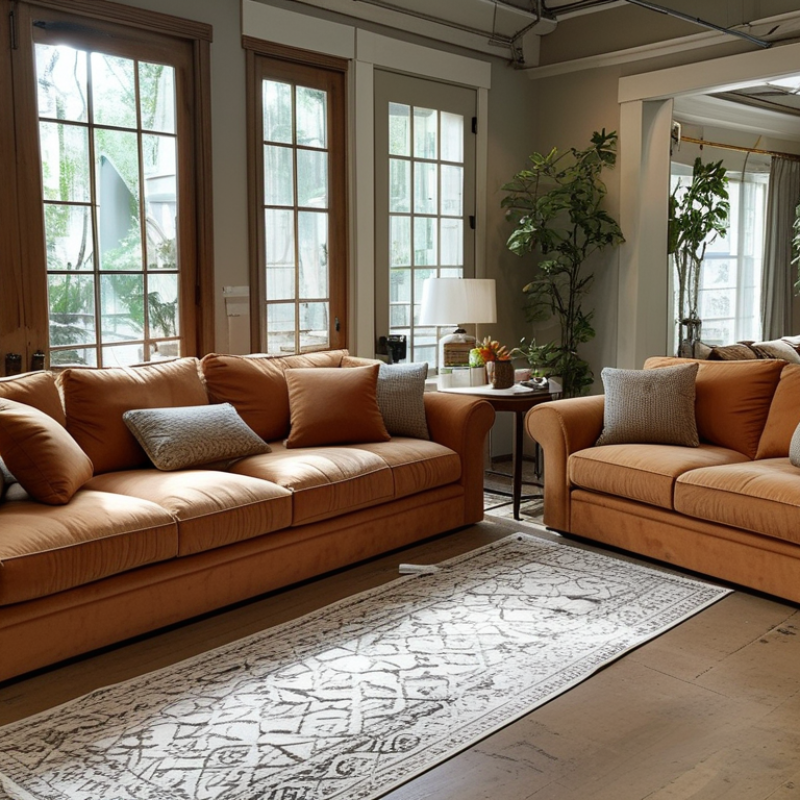
When measuring a sofa for a narrow doorway fit, precision matters. Begin by determining the overall dimensions of your sofa. A tape measure is essential here. Measure the width, depth, and height from the highest point. It’s often easy to overlook the height, especially if your doorway is short.
Next, assess the doorway itself. Measure its width and height accurately. Also, consider the diagonal space. If your doorway features trim, account for that as well. This can affect how the sofa navigates through.
Awareness is key; many forget to factor in potential obstacles, such as side walls or hanging light fixtures. A clear path will simplify the moving process. If the measurements are close, re-evaluate and perhaps remove the sofa legs before attempting to fit it through. Reflect on the angles needed; it might require precise tilting. Remember, patience is vital here. If it doesn’t fit, it’s not the end but a chance to rethink your approach.
When considering a sofa for a narrow doorway, understanding standard doorway dimensions is crucial. Most interior doors measure about 32 inches wide. However, this can vary. Some older homes may have doors as narrow as 28 inches. This discrepancy can limit your options, so it's essential to measure your doorway accurately.
To fit a sofa through a narrow doorway, it helps to know the common widths of sofas, which usually range from 72 to 96 inches. A report from the American Home Furnishings Alliance shows that consumers often face challenges when trying to maneuver larger pieces through tight spaces. Sofas with removable legs or modular designs are often easier to manage. Alternatively, consider smaller or more versatile options that can be assembled within the room itself.
Never underestimate the importance of measurements. Take several dimensions, including the height and depth of your sofa. It’s also wise to account for hinges and trim when measuring doorways. If a sofa doesn’t fit through a doorway, returning it could become complicated. Thus, reflect on the specifications and visualizations of your chosen piece to avoid any unpleasant surprises.
When measuring a sofa for a narrow doorway, understanding key dimensions is crucial. The average sofa measures about 30 to 40 inches in depth. Width can vary between 72 and 90 inches. However, not all sofas are easily maneuverable through doorways, especially narrow ones. Homeowners often overlook armrest width, which can add 4 to 10 inches to the total width.
Additionally, consider the height of the sofa. The standard height ranges from 28 to 36 inches. This measurement is particularly relevant for door frames, which typically range from 80 to 84 inches. According to a report by the American Home Furnishings Alliance, more than 25% of consumers face challenges with sofa delivery. Mismanagement of these measurements often leads to frustration and additional costs.
To navigate narrow spaces, detachable legs and removable cushions are practical features. Such designs allow easier transport and fitting through tight areas. Yet, some models do not offer this flexibility, making the initial measurements even more critical. Ignoring the importance of measuring can lead to regrettable purchases and service interruptions.
When measuring a sofa for a narrow doorway, start by using a tape measure. Secure one end at the doorway’s outer edge. Extend it until you reach the inner side of the entrance. This measurement provides an essential guideline. Doors typically range from 28 to 32 inches wide, based on industry data from the American Institute of Architects. Knowing the width helps determine if your sofa can fit through without forcing it.
Next, measure the sofa itself. Record its width, height, and depth. The sofa's dimensions should be smaller than the doorway's clearance. For narrow spaces, consider measuring in sections. For example, many sofas can be disassembled, allowing for easier movement. According to a study from the Furniture Industry Association, nearly 30% of furniture-related issues stem from size miscalculations during delivery.
Remember to include any obstacles along the path, like railings or ledges. These can restrict movement. Consider the angle of approach as well. Sometimes, a straight placement might not work due to a tight corner. Finding the right balance between size and layout is crucial. Use these techniques to measure effectively and reflect on the chosen size before making a purchase.
| Measurement Type | Dimension (inches) |
|---|---|
| Total Width | 80 |
| Total Depth | 36 |
| Total Height | 33 |
| Seat Height | 18 |
| Armrest Height | 24 |
| Arm Width | 6 |
| Seat Depth | 22 |
| Cushion Thickness | 5 |
When faced with a narrow doorway, disassembling your sofa is often necessary for a successful fit. Start by removing the sofa legs. Most legs can be unscrewed easily. Make sure to keep all screws in a safe place. Next, check for detachable parts. Many sofas come with cushions or sections that can be taken off. This can significantly reduce the overall width.
Don't overlook the importance of measuring every component. Measure the chair sections separately. This can help you figure out the best angle for transporting them. It may require some trial and error. Sometimes it feels like a puzzle, and not every solution works the first time. If you're unsure, consulting a manual or an online guide is beneficial.
Be mindful of sharp edges when disassembling. You don't want to scratch walls or floors in your home. Take your time to avoid damaging the sofa or the door frame. Keep in mind, some pieces might be heavier than they look. Having a friend assist you can make this process feel less daunting. Remember, patience is key when maneuvering through tight spots.
: Start by measuring the sofa's width, height, and depth. Use a tape measure for precision.
Measure the doorway’s width, height, and diagonal space. Don’t forget to consider any trim.
Look for side walls, light fixtures, and other obstructions that may hinder movement.
Most interior doors are about 32 inches wide, but they can be narrower in older homes.
Consider sofas with removable legs or modular designs for easier maneuverability.
Reflect on your measurements. You might need to rethink your approach or consider different options.
Secure a tape measure at the doorway’s edge. Measure sofa dimensions and compare to doorway clearance.
Taking several dimensions helps avoid size miscalculations, which are common during delivery.
Sometimes, a straight placement doesn’t work due to tight corners. Consider the best angle for movement.
Thoroughly visualize and reflect on the specifications before buying to prevent complications.
When considering how to measure a sofa to fit through a narrow door, it's essential to start with an accurate measurement of both the sofa and the doorway. Understanding standard doorway dimensions and possible restrictions is crucial, as it sets the parameters for what size sofa can realistically pass through. Key dimensions to focus on include the sofa's width, height, and depth, as these will determine how easily it can navigate tight spaces.
To effectively measure sofa dimensions, utilize techniques such as using a tape measure and accounting for any protrusions or armrests that may hinder the movement. Additionally, disassembling the sofa into smaller sections can make transportation through narrow doorways significantly easier. Following these steps ensures a smoother process when moving your sofa into your desired space.
