Kado Home
Creating a harmonious living space often involves thoughtful furniture selection. Understanding how to mix and match a sofa with different armchairs can elevate your interior design. It’s more than just aesthetics; it’s about finding balance and comfort.
Start by considering the proportions of your sofa and armchairs. A bulky sofa may dwarf delicate chairs. However, a sleek armchair can complement a larger sofa well. Explore different styles, like pairing a modern sofa with vintage armchairs. This contrast can add depth and interest to your space.
Color and texture play crucial roles too. Bold colors can energize a room. However, too many colors can create chaos. A neutral palette with one standout color can be powerful. Remember, comfort is key. An uncomfortable chair, no matter how stylish, leads to regret. Don’t rush the process. Experiment with arrangements before making decisions. The ideal setup reflects your unique taste, providing both functionality and visual appeal.
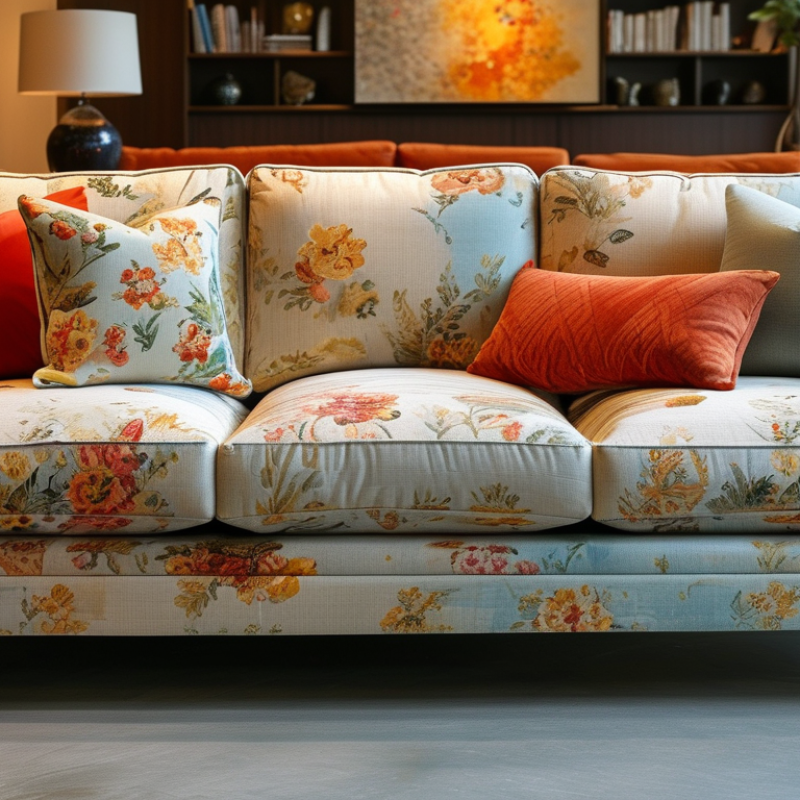
Mixing and matching sofas with armchairs requires an understanding of design styles. Each piece has its own character, which can change the dynamics of your space. For example, a minimalist sofa pairs well with a mid-century armchair, creating a balanced look. These different styles should complement, not clash.
Textures play a vital role. A plush velvet sofa can soften the lines of a sleek leather armchair. The contrast adds visual interest. Colors must work together too. A navy sofa can be matched with a patterned armchair featuring shades of blue. This creates a cohesive feel while allowing each piece to stand out.
Consider proportions and scale. An oversized sofa may overwhelm a delicate armchair. Ensure that the pieces fit comfortably in the room. Don't be afraid to play with asymmetry. An unexpected armchair with a bold design might challenge traditional norms but also invite conversation. Keep experimenting until it feels right.
Mixing and matching sofas with armchairs can enhance your living space. When evaluating color palettes, consider hues that complement each other. For example, a navy sofa pairs beautifully with mustard yellow accents. This creates a vibrant contrast. Emphasize texture as well. A sleek leather chair can balance a soft fabric sofa, adding depth to your design.
Patterns are equally important. Mixing patterns can be tricky. A geometric print on an armchair can clash with floral sofa designs. Instead, opt for subtle differences. A striped chair can work with a patterned sofa if colors are similar. Experiment with scale. Large patterns can overwhelm small pieces, while small patterns can add interest to larger furniture.
It's essential to reflect on your choices. You might love how a bold red chair looks with a cream sofa, but will it last? Trends change quickly. Aim for a timeless look by choosing colors and patterns that you genuinely enjoy. Trust your instincts. If something feels off, it probably is. Design should be a personal expression, after all.
Creating a cohesive and inviting space involves understanding proportions and scale when mixing sofas and armchairs. According to the American Society of Interior Designers, furniture layout affects not just aesthetics but also functionality. A well-balanced arrangement should harmonize various pieces without overwhelming the room.
When selecting sofas and armchairs, consider their scale in relation to the room size. Oversized furniture can dwarf a small space, creating an uninviting atmosphere. Conversely, too-small pieces may look lost in a larger area. For example, a classic three-seater sofa works well with a pair of medium-sized armchairs, ensuring visual stability. Ideally, each piece should have at least 18 inches of space between them for easy movement.
It's also essential to consider the visual weight of different elements. Heavy, dark fabrics can make a room feel cramped. Light colors and airy designs enhance the openness. According to a recent report by the Furniture Today, 78% of consumers prefer lighter shades for versatility. Yet, one must reflect—how can your choices affect the overall ambiance? Overly matched pieces may lack personality, while too much contrast can create chaos. Balancing these elements requires careful consideration and often a willingness to experiment and adapt.
When mixing sofas with armchairs, material choices and textures play a significant role in enhancing comfort. Fabrics like cotton and linen are breathable, providing a cozy atmosphere. According to a recent survey by the International Furniture Association, 75% of consumers prioritize comfort over style when selecting furniture. This highlights the need for thoughtful material selection that balances aesthetics with usability.
The texture of materials adds depth to your design. Plush velvets can contrast beautifully with sleek leather. This variation creates a tactile experience that invites relaxation. However, not every combination is successful. Poorly paired textures can lead to a discordant feel in your space. It's essential to test combinations before making a final decision. Creating a harmonious feel requires not just complementary colors but also textures that work together.
Consider the durability of materials as well. Synthetic fibers, while often easier to maintain, may lack the luxury feel of natural fibers. In fact, a report by the American Textile Partnership indicates that 60% of luxury consumers prefer natural fabrics. This reflects an important trend toward quality materials in home décor. While exploring this aspect, it's beneficial to remain open to various combinations, even those that seem unconventional at first. Balancing comfort, durability, and visual appeal is a nuanced process that invites experimentation.
Creating a cohesive look with sofas and armchairs involves careful consideration of functional elements and accessories. Choose a color palette that ties everything together. Use cushions and throws to provide a warm, inviting touch. Different textures create depth. For example, pair a soft velvet sofa with a leather armchair. This contrast adds intrigue but might need a bit of balancing.
Accessories play a vital role in unifying your space. Consider adding a stylish coffee table that complements both seating pieces. A rug can further anchor the arrangement. Look for patterns that resonate with your chosen hues. Lighting is essential too. A decorative floor lamp can enhance both functionality and aesthetics. Elements like these should feel intentional, yet effortless.
Reflect on the flow of your room. Ensure there’s enough space for movement. Sometimes, less is more. Don't overcrowd your area with furniture. A few accent pieces can shine better than an array of objects. Keep revisiting your design until it feels right. Making adjustments over time is part of the process.
| Element | Description | Functional Aspect | Accessory Suggestions |
|---|---|---|---|
| Sofa | A large seat option, providing ample seating. | Comfortable seating for multiple people. | Throw pillows, blankets, decorative throws. |
| Armchair | A smaller chair, suitable for one person. | Ideal for corners or creating reading nooks. | Accent cushions, small side tables. |
| Color Palette | The selection of colors for the sofa and armchair. | Enhances the room's aesthetic appeal. | Rugs, curtains, artwork that complement. |
| Fabric Types | Material of the sofa and armchair. | Durability and texture influence comfort. | Coordinating materials for cushions. |
| Layout | Arrangement of sofa and armchair in the space. | Optimizes space and movement flow. | Coffee tables, side tables for functionality. |
: Understand the character of each piece. They should complement each other, not clash.
Textures add visual interest. For example, velvet softens sleek leather, enhancing the overall look.
Yes, but they should complement each other. A navy sofa works with a blue-patterned armchair.
Proportions matter. An oversized sofa can overwhelm a delicate armchair. Balance is key.
Mixing patterns can be tricky. Use subtle differences and keep colors similar to avoid clashes.
Trends change often. Choose what you love to ensure a timeless look that reflects your style.
Fabrics like cotton and linen are breathable. They create a cozy atmosphere perfect for relaxation.
Experiment with different pairings in your space. If something feels off, reflect on the choices.
Yes, consider the durability of materials. Many prefer natural fabrics for their quality and luxury feel.
Absolutely, being open to unexpected pairings can create unique and inviting spaces.
Mixing and matching a sofa with different armchairs can elevate your living space when done thoughtfully. Understanding the various sofa and armchair design styles is essential for creating a coordinated look, ensuring that each piece complements rather than clashes with the others. Additionally, evaluating color palettes and patterns plays a crucial role in achieving complementary matching, allowing you to blend different elements harmoniously.
When considering how to mix and match a sofa with different armchairs, assessing the proportions and scale is vital for furniture arrangement in your space. It ensures that the pieces work together aesthetically and functionally. Exploring material choices and textures can enhance comfort while adding visual interest. Finally, incorporating functional elements and accessories can tie the room together, creating a cohesive look that reflects your unique style.
